
When planning an interior painting project, one of the most common questions homeowners ask is, how many coats of paint do you really need? While one coat can sometimes be enough, most walls look better and receive more consistent coverage with two coats of finish paint.
The exact number depends on several factors, including the existing wall color, new paint color, surface condition, type of paint, and whether primer is required. A dark wall being changed to white, for example, may need more preparation than a light wall being repainted a similar shade.
Amazing Painter CA helps homeowners with professional painting, surface preparation, carpentry, and handyman services to improve and maintain their properties.
How Many Coats of Paint Do You Really Need?
For most properly prepared interior walls, two coats of finish paint are a reliable choice. However, this does not mean every project automatically requires two or three coats.
Here is a simple guide:
| Painting Situation | Typical Coating Approach |
|---|---|
| Similar color over existing paint | 1–2 finish coats |
| Light color over light color | Usually 2 finish coats |
| Dark color over light color | Usually 2 finish coats |
| Light color over dark color | Primer + 2 finish coats |
| New drywall | Primer + 2 finish coats |
| Stained or repaired wall | Appropriate primer + 2 finish coats |
| Uneven coverage after two coats | Additional coat may be needed |
The goal is not to apply as many coats as possible. The goal is to achieve even color, proper coverage, and a consistent finish.
What Does Each Coat of Paint Do?
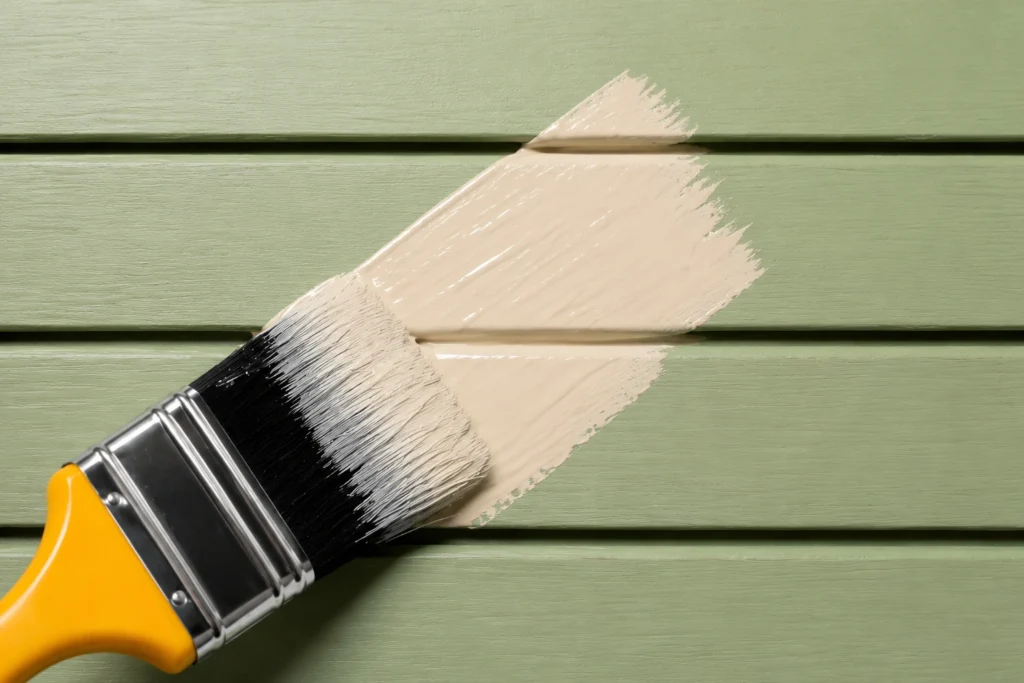
Each layer has a purpose, and understanding that purpose can help you avoid wasting paint.
Primer Coat
Primer prepares the surface before the finish paint is applied. It can help seal porous surfaces, improve adhesion, and create a more uniform base.
Primer is especially useful when painting:
- New drywall
- Bare or repaired surfaces
- Stained walls
- Glossy surfaces
- Dramatically different colors
For example, if you have patched several holes on a wall, those repaired areas may absorb paint differently from the surrounding surface. Primer can help create a more consistent base.
First Finish Coat
The first finish coat establishes the new color and begins building coverage. Depending on the previous color and the new color, the wall may still look slightly uneven after this coat.
Don’t add another coat immediately just because the first coat doesn’t look perfect while drying. Allow it to dry according to the manufacturer’s instructions before evaluating the coverage.
Second Finish Coat
The second coat generally improves color consistency and hiding. It can also help reduce visible roller marks, uneven areas, and differences in sheen.
This is why two coats are often recommended when homeowners want a professional-looking result.
How Many Coats of Paint for Dark Walls?
If you’re wondering how many coats of paint for dark walls, the answer depends mainly on the color you’re putting over the existing paint.
Covering dark blue, red, green, burgundy, or charcoal with a light color can be challenging. The old color may continue showing through the new paint.
A practical approach is:
- Clean the wall and remove surface dirt.
- Repair holes, cracks, and imperfections.
- Sand repaired or glossy areas when necessary.
- Apply an appropriate primer.
- Apply the first finish coat.
- Allow adequate drying time.
- Apply the second finish coat.
- Inspect the wall in normal lighting.
Example
Suppose your bedroom has dark navy walls and you want to paint them a light beige. Applying beige paint directly over the navy may require additional finish coats.
Using an appropriate primer first can create a better base and may reduce the amount of finish paint needed.
You May Also Read: How Much Paint Is Required for a 1000 Sq Feet Area?
How Many Coats of Paint Over Old Paint?
When asking how many coats of paint over old paint, don’t assume that old paint automatically needs to be removed.
If the existing paint is firmly attached, clean, and in reasonable condition, you can often paint over it after proper preparation.
Before applying new paint, check for:
- Peeling or flaking paint
- Cracks
- Holes
- Grease and dirt
- Glossy areas
- Previous repairs
- Water or other stains
Loose paint should be removed, while damaged areas should be repaired and prepared before painting.
If the old surface is in good condition and the new color is similar, one coat may sometimes provide acceptable coverage. However, two finish coats generally provide more consistent results.
How Many Coats of Paint for Interior Walls?
For typical interior walls, two finish coats are a good starting point.
However, the condition of the wall matters more than the room itself. A clean wall with a similar existing color may require less work than a damaged wall with several repairs.
Consider these examples:
Similar color:
A light gray wall being repainted a slightly different gray may require only one coat in some situations, although two coats can provide a more uniform finish.
Major color change:
A dark wall being changed to a light color may benefit from primer followed by two finish coats.
New drywall:
New drywall generally needs appropriate priming before finish paint.
Stained wall:
A suitable stain-blocking primer may be necessary before applying the finish color.
How Many Coats of Paint for a Bedroom?
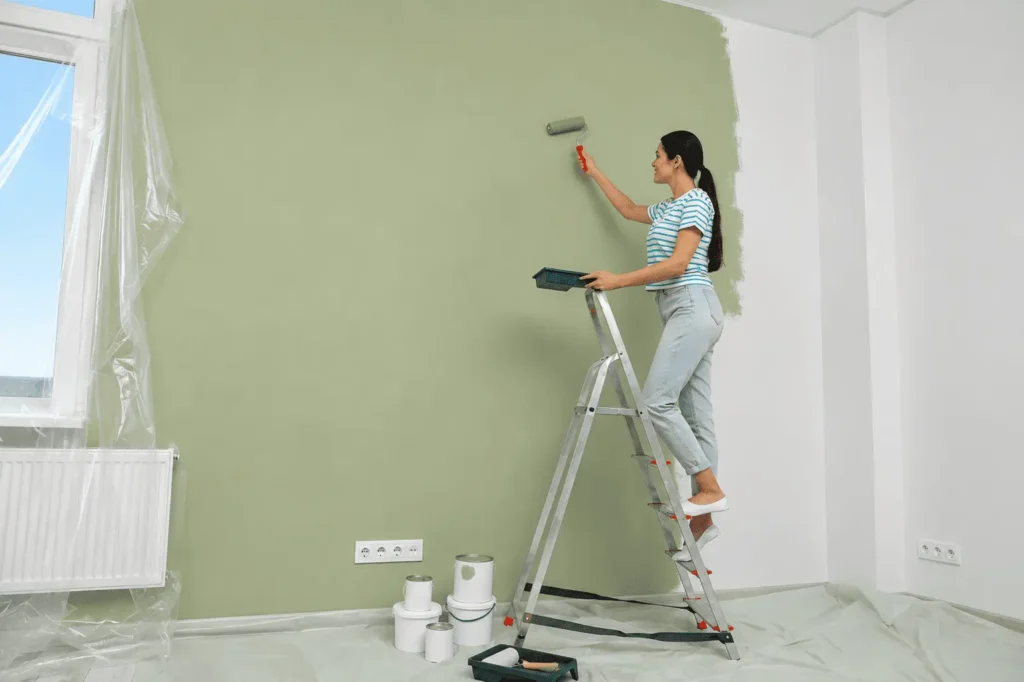
For most bedrooms, two finish coats are a practical choice.
For example, imagine a bedroom currently painted light beige. You want to repaint it with a similar warm gray. If the walls are clean and in good condition, you may not need a full primer coat.
After preparation, apply the first coat and let it dry. Then inspect the wall. If the coverage is even and the color looks consistent, the second coat can provide the final uniform finish.
If you’re covering a strong color or repairing many areas, primer may be needed first.
One Coat vs. Two Coats of Paint
| Factor | One Coat | Two Coats |
|---|---|---|
| Coverage | May be sufficient in some cases | More consistent |
| Color uniformity | Can vary | Generally better |
| Hiding previous color | Limited | Better |
| Finish consistency | Depends on surface and paint | More dependable |
| Paint usage | Lower | Higher |
| Overall result | Project-dependent | Usually more uniform |
One coat isn’t necessarily wrong. The important question is whether it provides complete and even coverage.
When Do You Need a Third Coat?
A third coat isn’t automatically better. You may need one if the previous color remains visible or the finish is still uneven after the recommended coats.
A third coat may be considered when:
- A difficult color is being covered
- The paint has poor hiding
- The surface absorbs paint unevenly
- The first coats were applied too thinly
- Coverage remains inconsistent
Before applying another coat, make sure the previous coat is completely dry according to the product instructions.
Common Painting Mistakes That Cause Extra Coats
Many homeowners end up applying additional coats because of preparation or application problems rather than because the paint itself requires them.
Avoid these common mistakes:
- Painting over dusty or greasy walls
- Skipping necessary primer
- Applying paint too thinly
- Using the wrong roller or brush
- Painting over a damaged surface
- Applying the second coat too soon
- Trying to hide cracks with paint
- Failing to remove loose paint
- Not allowing enough drying time
Proper preparation can often make the painting process easier and improve the final result.
Professional Painting Services From Amazing Painter CA
Painting is more than simply putting color on a wall. Proper preparation, repairs, primer selection, application technique, and the right number of coats all contribute to the finished appearance.
Amazing Painter CA provides professional interior and exterior painting services for homeowners. Whether you’re repainting a bedroom, updating several interior rooms, or changing from a dark color to a lighter shade, our team can help prepare your surfaces and complete the painting project with a clean, professional finish.
Contact Amazing Painter CA today to discuss your painting project and request a professional estimate.
Conclusion
So, how many coats of paint do you really need? For most properly prepared interior walls, two finish coats are a dependable choice. However, the right number can vary depending on the existing color, new color, surface condition, paint type, and whether primer is needed.
One coat may work when you’re repainting a well-prepared wall with a similar color. Dark walls, new drywall, stains, and repaired surfaces may require primer and two or more finish coats.
The best approach is to prepare the surface properly, follow the paint manufacturer’s instructions, allow adequate drying time, and judge the final coverage rather than automatically applying extra coats.
Frequently Asked Questions
How many coats of paint for dark walls?
Dark walls being changed to a light color commonly need an appropriate primer followed by two finish coats. An additional coat may occasionally be necessary if the old color remains visible.
How many coats of paint over old paint?
If the old paint is in good condition and the new color is similar, one or two finish coats may be enough. Damaged surfaces, major color changes, and stains may require additional preparation and primer.
How many coats of paint for interior walls?
Two finish coats are a practical choice for most interior walls. The exact requirement depends on the paint, surface, color change, and quality of coverage.
How many coats of paint for a bedroom?
Most bedrooms can be finished with two coats of interior paint after proper preparation. Primer may be necessary for new drywall, stains, repairs, or significant color changes.
Is one coat of paint enough?
Sometimes. If the existing surface is smooth, properly prepared, and similar in color to the new paint, one coat may provide acceptable coverage. Two coats generally provide a more consistent finish.
Do you always need primer before painting?
No. Primer is not required for every previously painted wall. It is particularly useful for porous surfaces, stains, repairs, difficult surfaces, and significant color changes.