
If you have leftover paint sitting in your garage, basement, or storage closet, you may be wondering: how long can you keep paint before it goes bad? The answer depends on the type of paint, whether it has been opened, how it was stored, and its current condition.
At Amazing Painter CA, we know homeowners often save leftover paint for future touch-ups. Keeping extra paint can be useful, but old paint should always be checked before you use it.
In this guide, you’ll learn how long paint stays good, how long paint is good for after opening, how to tell when paint has gone bad, and how to store or dispose of old paint properly.
How Long Can You Keep Paint Before It Goes Bad?
Paint does not have one universal expiration date. Its shelf life depends on the formulation, storage conditions, container seal, and exposure to extreme temperatures.
As a general guideline, properly stored opened latex paint may remain usable for around two years. Oil-based paint can often last considerably longer when properly sealed and stored correctly.
| Paint Type | General Lifespan | Storage Consideration |
|---|---|---|
| Latex or water-based paint | Around 2 years after opening | Protect from freezing and extreme heat |
| Oil-based paint | Several years when properly stored | Check odor, skin, and consistency |
| Primer | Varies by product | Follow manufacturer recommendations |
| Unopened paint | Often longer than opened paint | Keep the original container sealed |
These are general guidelines, not guaranteed expiration dates. A properly stored older can may still be usable, while newer paint can become unusable if it has been exposed to freezing temperatures or excessive heat.
How Long Is Paint Good for After Opening?

How long is paint good for after opening? Properly stored latex paint can often remain usable for around two years, but age alone does not determine whether it is still good.
For example, imagine you opened a can of wall paint two years ago and stored it tightly sealed inside a temperature-controlled closet. It may still work for a touch-up.
On the other hand, if that same paint was left in an unheated garage through freezing winters and very hot summers, its condition could be much worse.
The key is to inspect and test the paint before using it.
Can Latex Paint Go Bad?
Yes. Latex, also called water-based paint, can go bad over time. Poor storage and extreme temperature changes can speed up deterioration.
Freezing is particularly problematic for latex paint. Repeated freezing and thawing can affect its consistency and performance. Excessive heat can also damage stored paint.
A dry interior closet, basement, or other protected area is generally better for paint storage than a location exposed to large temperature changes.
Example
Suppose you painted a bedroom and saved the remaining paint for future repairs. If the container was properly sealed and stored indoors, the paint may still be suitable for small touch-ups years later.
Always stir it thoroughly and perform a small test before committing to the entire wall.
Can Oil-Based Paint Go Bad?
Oil-based paint can also deteriorate, but it generally has a longer storage potential when kept in good conditions.
Pigments can settle at the bottom of an oil-based paint can during long-term storage. This does not automatically mean the paint has gone bad. Thorough stirring may bring the ingredients back together.
Before using old oil-based paint, check for:
- Strong or unusual odors
- A hard layer of dried paint
- Permanent lumps
- Excessive separation
- A texture that remains abnormal after mixing
If the paint still looks or smells unusual after thorough mixing, it is better not to use it for a finished project.
Can Paint Primer Go Bad?
Yes, primer can go bad just like regular paint. However, what is the shelf life of paint primer? There is no single answer because primer formulations differ between products.
If you have an old container of primer, inspect it carefully before applying it.
Watch for:
- Strong or unpleasant odors
- Rubber-like material
- Permanent lumps
- Severe separation
- Texture that does not become smooth
- Poor drying during a test application
For an exact shelf-life recommendation, check the product label or manufacturer’s information.
How to Tell if Paint Has Gone Bad?
If you’re asking how long does wall paint last once opened, you should also consider the paint’s physical condition.
Use this simple check before painting.
1. Check the Smell
Old water-based paint that has gone bad may develop a strong sour, rotten, or unpleasant odor. If the unusual smell remains after stirring, avoid using it.
2. Inspect the Texture
Some separation or settling is normal. Stir the paint thoroughly and see whether it becomes smooth.
Persistent jelly-like pieces or rubbery material can indicate deterioration.
3. Check for a Surface Skin
Air entering the container can cause a dried layer to form on the surface. Remove the skin carefully instead of mixing large dried pieces into the paint.
4. Perform a Test
Apply a small amount to cardboard or an inconspicuous area.
Allow it to dry and check:
- Color
- Coverage
- Texture
- Drying
- Adhesion
- Overall finish
If the paint does not perform normally, don’t use it for the final project.
How to Store Leftover Paint Properly?
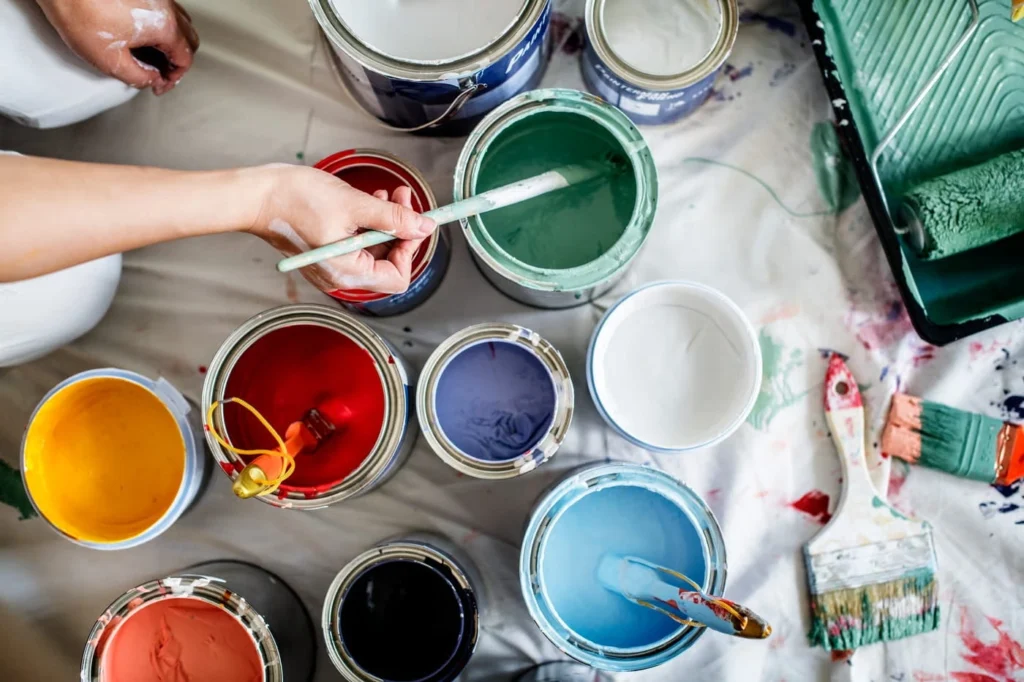
Good storage can help leftover paint remain usable for longer.
Follow these steps:
- Clean paint from the can’s rim and lid.
- Close the container tightly.
- Make sure the lid creates a secure seal.
- Label the can with the color and date.
- Store it in a dry, moderate-temperature location.
- Keep it away from direct sunlight.
- Protect latex paint from freezing temperatures.
Cleaning the rim is especially important because dried paint can prevent the lid from sealing properly. A tight seal reduces air exposure and helps protect the remaining paint.
Should You Store Paint in a Garage?
A garage may be convenient, but it isn’t always the best place for leftover paint.
Garages can become extremely hot during summer and very cold during winter. These temperature changes can affect paint quality, particularly latex paint.
Whenever possible, store leftover paint in a protected indoor area with relatively stable temperatures.
Common Paint Storage Mistakes
Avoid these mistakes:
- Leaving the lid partially open
- Storing latex paint where it can freeze
- Keeping paint beside a heater
- Leaving cans in direct sunlight
- Failing to clean the rim
- Forgetting the paint color or room
- Using questionable paint without testing
- Throwing away usable paint simply because it is old
A clearly labeled container can save time when you need matching paint for future touch-ups.
Where Can You Dispose of Old Paint?
If paint is no longer usable, don’t pour it down a drain, onto the ground, or into a storm sewer.
Paint disposal requirements vary by location and product type. Check your local waste-management or household hazardous-waste program for the correct disposal method.
If the paint is still usable but you no longer need it, consider whether it can be reused, donated, or given to someone who can use it.
How to Avoid Leftover Paint?
Buying the right amount of paint in the first place can reduce waste.
Before purchasing paint:
- Measure the area carefully.
- Estimate the required coverage.
- Determine how many coats are needed.
- Buy an appropriate amount.
- Save a small amount for future touch-ups.
- Record the paint color and finish.
Keeping a small, labeled amount of matching paint can make future repairs much easier.
Professional Painting Services from Amazing Painter CA
Homeowners looking for professional painting assistance can consider Amazing Painter CA for interior painting, exterior painting, wall painting, trim painting, and surface preparation. Their painting services can help refresh your home’s appearance while providing a clean and professional finish.
Contact Amazing Painter CA today to discuss your painting project and get started.
Conclusion
So, how long can you keep paint before it goes bad? There is no universal expiration date for every paint product. Properly stored opened latex paint can often remain usable for around two years, while oil-based paint may last considerably longer.
The best way to determine whether old paint is still usable is to inspect its smell, texture, separation, surface, and drying performance. Always test questionable paint before applying it to an entire wall.
Proper storage also matters. Keep paint tightly sealed, away from extreme temperatures and direct sunlight, and label leftover cans so you know what they contain.
If paint has a strong unpleasant odor, persistent lumps, severe separation, or poor performance, don’t risk your painting project. Dispose of it properly and use fresh paint when necessary.
Frequently Asked Questions
Can I use old paint if I mix it well?
Sometimes. If properly stored paint becomes smooth and consistent after thorough mixing and passes a small test application, it may still be usable. However, persistent bad odors, hard lumps, or abnormal drying indicate that the paint should not be used.
What’s the best way to store paint so it lasts longer?
Keep the lid tightly sealed and store the can in a dry, moderate-temperature location away from direct sunlight and extreme heat. Protect latex paint from freezing temperatures.
Can I revive thick or dried-out paint?
Completely dried paint generally cannot be restored to its original condition. Slightly thickened paint may sometimes be recoverable depending on the product, but follow the manufacturer’s instructions rather than adding water or thinner without guidance.
How long does wall paint last once opened?
Properly stored opened latex wall paint can often last around two years, but its actual usability depends on its condition and storage history.
What is the shelf life of paint?
The shelf life varies depending on the paint formulation, manufacturer, storage conditions, and whether the container has been opened. Check the product information for the most accurate recommendation.